Introduction
In our fast-paced globe, emergency situations can strike without caution. Whether it's a small injury, a clinical emergency situation, or a lethal circumstance, understanding how to offer emergency treatment can make all the distinction. This is where a First Aid course enters play. Lots of people may wonder what they can acquire from such training, and this short article aims to clarify that.
By joining in a First Aid and mouth-to-mouth resuscitation course, you don't just find out about wrapping wounds or performing mouth-to-mouth resuscitation; you furnish on your own with vital skills that can conserve lives. So, what exactly will you discover in a comprehensive program? Let's dive into the details.
First Aid Essentials: What You'll Discover in a Detailed Course
Understanding First Aid
What is Initial Aid?
First aid refers to the initial aid given to a person suffering from an injury or illness till expert medical aid gets here. It incorporates various strategies and skills ranging from straightforward wound care to lifesaving methods like mouth-to-mouth resuscitation (Cardiopulmonary Resuscitation).
Importance of First Aid Training
Why Needs to You Take a First Aid Course?
Taking a First Help course is vital for numerous factors:
- Confidence: Recognizing just how to respond in emergencies can impart confidence. Life-Saving Abilities: The ability to execute CPR or help with choking can conserve lives. Career Development: Many careers need certification in very first aid. Community Responsibility: Learning means you can help others effectively.
Overview of CPR
What is CPR?
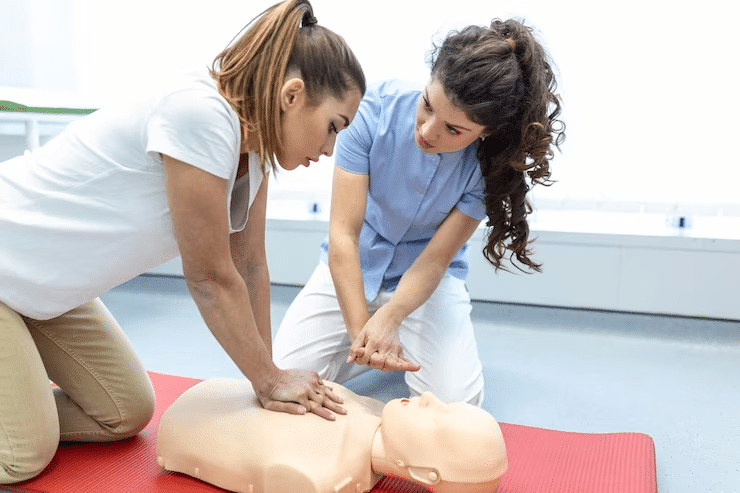
CPR, or Cardiopulmonary Resuscitation, is an emergency situation procedure done when a person's heart beat or breathing has actually stopped. It incorporates breast compressions with rescue breaths to preserve blood circulation and oxygenation until expert aid arrives.
The Structure of a Comprehensive First Aid Course
What Does a First Aid Course Include?
An all-round First Aid and mouth-to-mouth resuscitation course normally covers the adhering to topics:
Introduction to First Aid Legal and Ethical Considerations Scene Safety Basic Life Assistance (BLS) CPR Techniques Choking Relief Wound Care Management Burn Treatment Managing Shock Recognizing Medical Emergencies Using an Automated External Defibrillator (AED)Legal Facets of First Aid
Are There Legal Effects Associated With Providing First Aid?

Yes, supplying first aid does lug lawful responsibilities known as "Good Samaritan laws." These legislations protect individuals who assist others in emergency situations, supplied their activities are sensible and not reckless.
Scene Security: The Initial Step
How Do You Ensure Scene Safety?
Ensuring scene safety and security includes analyzing the environment before coming close to the sufferer:
- Look for prospective risks (traffic, fire). Make certain it's safe for both you and the victim.
Basic Life Support (BLS)
What Role Does BLS Play in Emergency Situation Situations?

Basic Life Assistance includes the principles of maintaining life features until additional medical assistance gets here. This section covers essential skills such as:
- Checking responsiveness Activating emergency services Performing top quality breast compressions
Advanced CPR Techniques
What Are Advanced Techniques Covered in CPR Courses?
Advanced techniques may consist of:
- Two-rescuer CPR Use of obstacle devices for rescue breaths Special considerations for babies and children
Choking Alleviation Techniques
How Do You Aid Someone That is Choking?
Choking relief entails two essential techniques:
The Heimlich maneuver for adults. Back blows and breast thrusts for infants.Wound Treatment Management
How Do You Properly Take Care Of Wounds?
Effective injury monitoring involves:
- Cleaning the wound with saline or tidy water. Applying antibiotic ointment. Covering it with clean and sterile dressings.
Burn Treatment
What Work Approaches for Dealing With Burns?
Burn treatment differs by level:
Cool the burn under running water. Cover it with non-stick dressings. Seek clinical attention for extreme cases.Managing Shock
How Is Shock Recognized and Treated?
Recognizing shock consists of looking for signs like light skin, quick pulse, or confusion:
Lay the individual down. Elevate their legs unless there are injuries protecting against this. Keep them relax until assistance arrives.Recognizing Medical Emergencies
What Kinds of Medical Emergencies Must You Realize Of?
Common clinical emergencies include:
- Heart attacks Stroke Severe allergic reactions Understanding these conditions assists you act quickly.
Using an Automated External Defibrillator (AED)
How Do You Use an AED Correctly?
Using an AED includes transforming it on, connecting pads according to pictures on the gadget, and complying with voice triggers carefully.
Importance of Continuous Learning
Why Is Continuous Knowing Important in Emergency Treatment Training?
Continuous learning ensures you remain upgraded on best techniques and brand-new methods in first aid care.
FAQs About First Aid Courses
What Is Included in a Requirement Emergency Treatment Course?- A basic training course usually covers fundamental life assistance, wound management, choking relief techniques, and legal considerations.
- Most training courses vary from 6 hours to 16 hours depending upon the depth of material covered.
- Yes, upon successful conclusion of the majority of programs, individuals receive a first help certificate, which is typically legitimate for two years.
- Yes! Several organizations use online programs that provide adaptable learning environments while still being effective.
- Absolutely! Hands-on practice is critical for mastering abilities like breast compressions and utilizing AEDs effectively.
- Generally, there are no age limitations; nevertheless, individuals need to be emotionally qualified to learn these life-saving abilities effectively.
Conclusion
Enrolling in a comprehensive emergency treatment course gears up people with essential understanding that can conserve lives throughout emergency situations-- whether in the house, job, or out in public areas! From understanding standard life assistance procedures like CPR to finding out how to handle injuries correctly or identify indicators of shock-- these training courses give very useful training that any individual can benefit from!
As we browse through our daily lives full of unpredictability-- what far better way than preparing ourselves via knowledge obtained from structured training sessions concentrated on saving lives?
In final thought-- if you're considering occupying any type of form of first-aid training-- never wait! Equip on your own today with these Click here for more powerful tools because readiness really makes all the distinction when every second counts!